
Limelight IPL
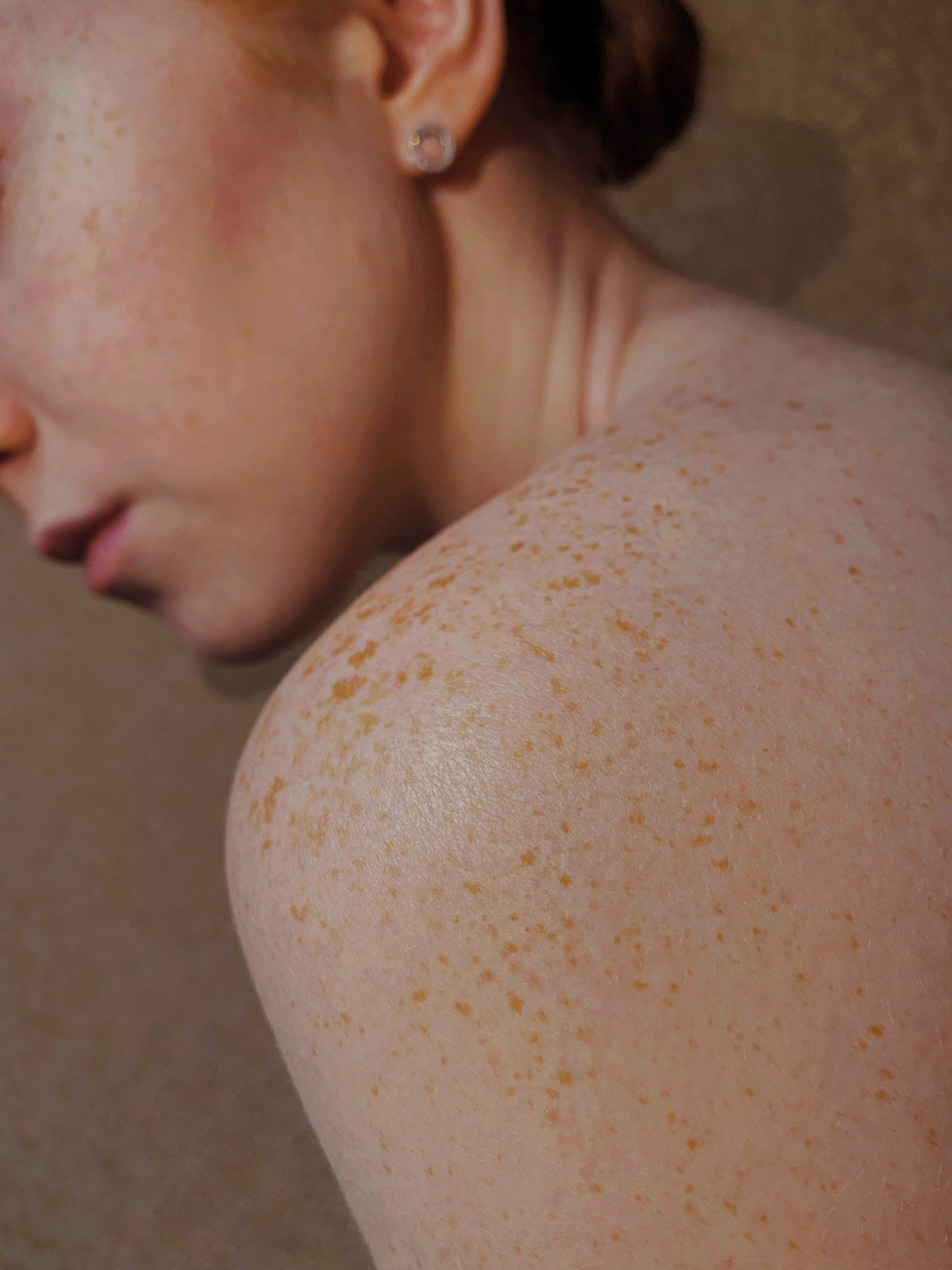
Sun damage. Pigment. Redness.
Consider them noticed.
LimeLight IPL is a targeted light treatment for visible pigmentation and redness. Using precisely selected wavelengths of light, it targets unwanted colour in the skin to help create a clearer, brighter and more even-looking complexion.
LIMELIGHT IPL FACE - $349
FAQ’S
-
LimeLight IPL allows us to target visible colour in the skin — particularly the signs of accumulated sun exposure such as brown spots, freckles and uneven pigmentation, as well as certain types of visible redness.
Unlike a resurfacing treatment, IPL works by delivering light energy to targeted chromophores within the skin. Over the days following treatment, targeted pigment may temporarily darken before gradually shedding or fading.
-
SUN DAMAGE
Brown spots and pigmentation associated with accumulated sun exposure.PIGMENTATION
Freckles, uneven pigmentation and areas of excess visible pigment.REDNESS
Certain types of visible redness and superficial vascular concerns.UNEVEN TONE
Skin where a combination of red and brown colour contributes to an uneven-looking complexion. -
Quick flashes. Very clever light.
During treatment, a series of light pulses are delivered across the treatment area. Most clients describe each pulse as a brief warm or snapping sensation.
Immediately afterwards, the skin may appear pink or flushed. Pigmented areas can become temporarily darker before gradually fading or shedding over the following days.
The exact response varies depending on what we're treating and your individual skin.
-
It can be a little uncomfortable we wont lie.
Most clients will tell us that we overpromised and under delivered on what the pain feels like.Make-up? No
Back to work? Possible.
Hiding at home? Only for a few hours. -
Your skin decides.
The number of LimeLight treatments you'll need depends on the type, depth and amount of pigmentation or redness we're treating and how your skin responds. We usually suggest 2-4.
Some visible pigment may respond following a single treatment, while more extensive sun damage or redness may benefit from a series.
At Pelci, we assess your skin and recommend treatment based on what we actually see rather than automatically prescribing everyone the same course.
-
Brown doesn't always mean IPL.
This is one of the most important parts of the page.
Pigmentation is complicated. Sun-induced pigmentation, freckles and hormonally influenced pigmentation can look similar but don't necessarily behave — or respond to treatment — in the same way.
That's why we assess your skin before treating it with LimeLight IPL. If IPL isn't appropriate for the type of pigmentation we're seeing, we'll recommend a different approach.
A consultation and test patch are required before your first LimeLight treatment.
-
Depends on the area being treated however face usually every 3-4 weeks and body every 5-6 weeks.
-
Sure can.
-
Your pigment will darken almost instantly. It can take up to 7 days before it will come off completely.
Up to 14 days for body.
Redness can take a little longer depending on how the skin is presenting.
We usually see really nice results after 2 treatments.
-
LimeLight isn't suitable during pregnancy or while undergoing treatment for skin cancer. Certain medications, medical conditions, recent tanning and skin histories may also mean treatment needs to be postponed or isn't appropriate. We'll assess these with you before treatment to make sure LimeLight is suitable for your skin.
-
LimeLight generally involves minimal downtime, but your skin will go through a visible response. Redness and mild swelling can occur following treatment, and targeted pigmentation may appear darker before gradually fading or shedding. Your individual response will depend on what we’re treating and the intensity of your treatment.
-
Yes. LimeLight IPL is indicated for both benign pigmented and vascular lesions, which means we can use it to target certain types of visible redness as well as pigmentation. Not all redness is the same, so we’ll assess your skin first to determine whether LimeLight, Laser Genesis or another approach is most appropriate.
-
Melasma requires careful assessment. While IPL may be appropriate in selected cases, heat and light-based treatments aren't suitable for every presentation of melasma and can sometimes contribute to pigment changes. If we suspect melasma, we'll assess your skin and discuss whether LimeLight is appropriate before proceeding.
-
No. Recent sun exposure and tanning can increase the risk of adverse effects from IPL, including unwanted pigment changes. We'll assess recent sun exposure and your skin before treatment and may postpone your appointment if your skin is tanned.
-
We also require an up-to-date professional skin check before performing your LimeLight test patch.
A consultation and test patch are required before your first LimeLight treatment.
If you have not had both a recent skin check or patch test we will not carry out the treatment.
-
Because IPL isn't one-size-fits-all. We need to assess your skin type, pigmentation or redness, recent sun exposure, medications and medical history before deciding whether LimeLight is appropriate and selecting suitable treatment settings. Your test patch also allows us to observe how your skin responds before proceeding with a full treatment.